How to Sell a Website Online: What Buyers Look For Before They Pay
Learn how to sell a website online successfully. Explore the key metrics buyers check and how to protect your digital asset transfer with secure escrow.
Published by
How to Sell a Website Online: What Buyers Look for Before They Pay
Building a website, growing its traffic, and turning it into a profitable digital asset is an impressive achievement. But when the time comes to cash out and sell your website, the process is very different from selling a physical item.
You can't just hand over the keys and walk away. Serious buyers—whether they are seasoned entrepreneurs, portfolio investors, or local business owners—will inspect your digital property inside out before a single kobo changes hands.
If you want to attract high-paying buyers and close your deal fast, you need to know what they are looking for under the hood. Here is a complete guide on how to sell a website online and the vital metrics buyers evaluate before they pay.
1. Proven, Consistent Traffic (And Where It Comes From)
A website with zero visitors is just a domain name and some code. Buyers don't just want to see traffic numbers; they want to see where those visitors are coming from.
What buyers check: They prefer organic traffic driven by SEO (Search Engine Optimization) over volatile paid ads. A healthy mix of search engines, social media, and direct visitors proves the site has real, long-term viability.
Pro Tip: Make sure your Google Analytics or traffic tracking tools are transparently accessible for audit. (If you're building out traffic strategies or looking at how search visibility compounds, check out our guide on 7 digital skills you can turn into income online).
2. Verified Revenue and Financial History
The first question every serious buyer asks is: How much money does this site make every month?
What buyers check: They want clean, verifiable proof of revenue. This includes payment gateway dashboards, recurring subscription logs, or affiliate payout receipts. Vague claims like "it makes money potential-wise" are a massive red flag.
Valuation Rule of Thumb: Websites typically sell for a multiple of their net monthly or annual profit (often 2x to 4x annual net profit, depending on niche and age). Clean bookkeeping makes commanding a higher price much easier.
3. Clean Code, Technical Health, and Asset Ownership
A website might look gorgeous on the front end, but if it is built on bloated plugins, broken code, or outdated themes, smart buyers will run away.
What buyers check: Page loading speed, mobile responsiveness, SSL security certificates, and clean backend architecture.
Legal Ownership: Buyers will also verify that you legally own all content, images, plugins, and the domain name itself. Clear ownership prevents post-sale copyright disputes.
4. Established Brand Authority and Niche Stability
Buyers love websites that occupy a clear, defensible position in a growing market rather than generic sites trying to appeal to everyone.
What buyers check: Domain age, backlink profile (quality of sites linking to you), and brand reputation. An aged domain with clean backlinks is worth significantly more than a brand-new domain with zero authority.
5. Clear, Documented Standard Operating Procedures (SOPs)
If a buyer purchases your website, they want to know how hard it is to run.
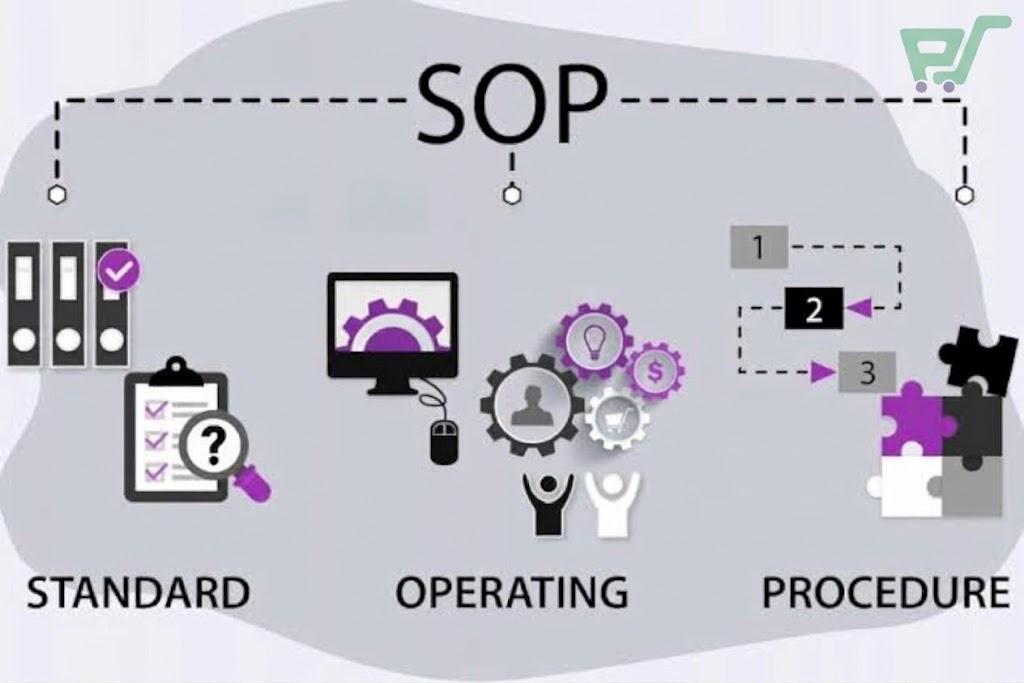
What buyers check: How much time do you spend maintaining the site weekly? Do you have written instructions on how content is published, how customer support is handled, or how suppliers/affiliates are managed?
Why it matters: Sites that require 40 hours a week of frantic manual labor are less attractive than automated or semi-passive properties with clear operating guides.
6. Secure, Scam-Free Transfer Mechanisms
Once a buyer agrees to purchase your website, the biggest hurdle is the transfer phase. How do you exchange the domain and database safely without getting scammed?
What buyers check: They look for trusted escrow systems that protect funds while domain ownership, hosting credentials, and database files are transferred.
The Solution: Never rely on informal, high-risk peer-to-peer transfers. Utilizing secure platforms with built-in buyer and seller safeguards ensures the transaction goes smoothly. (To understand how secure infrastructure prevents online fraud, read our guide on how escrow protects buyers and sellers in an online marketplace).
How to List and Sell Your Website Securely Using Plugsosolog
When you are ready to put your website, digital assets, or online properties on the market, you need a platform designed specifically for digital commerce.
Through Plugsosolog Marketplace, you can list your digital assets, set your pricing in local currency (Naira), and close deals safely:
List Your Asset: Create a detailed, transparent listing outlining your website’s traffic, revenue, and tech stack.
Attract Verified Buyers: Reach an active network of digital entrepreneurs looking to acquire ready-made assets. (If you're exploring other types of assets you can trade alongside websites, check out our breakdown of the 10 easy and best digital products to sell online).
Use Automated Escrow Protection: Protect both your ownership transfer and the buyer's funds with Plugsosolog’s secure escrow holding system, ensuring a seamless, fraud-free handover. (For extra security precautions during high-value digital transactions, review our safety checklist on how to buy digital assets online safely).
Frequently Asked Questions (FAQs)
1. How much is my website worth?
A website's value is generally calculated based on its net profit, traffic stability, revenue diversity, and growth potential. Most profitable sites sell for a multiple of their annual net income.
2. Do I need coding skills to sell a website?
Not at all. Many websites are built on user-friendly platforms like WordPress, Shopify, or Plugsosolog. Buyers care more about traffic, revenue, and audience engagement than who wrote the original code.
3. How do I transfer a website to a buyer safely?
You transfer ownership of the domain registrar, hand over hosting control panel credentials, and migrate the database files. Always use an escrow platform to hold funds until the buyer successfully verifies the complete transfer.
4. Can I sell a website that isn't making money yet?
Yes, you can sell starter sites, domain portfolios, or traffic-only sites, but expect a lower valuation compared to an established, revenue-generating property. (If you want to learn how to build or acquire digital assets without starting from scratch, read our guide on how to make money selling digital products without creating them from scratch).
Final Thoughts
Selling a website online isn't about hype—it's about proof. By keeping your analytics transparent, documenting your processes, and using secure escrow platforms to handle the financial handover, you can turn your digital creation into a lucrative payday.
And if you are on the other side of the transaction looking to skip the long, painful building phase, Plugsosolog Marketplace already has existing, ready-made websites you can buy today and easily tailor to your exact business goals. Whether you need an established niche blog, an e-commerce storefront, or a ready-to-scale digital portal, acquiring a pre-built property gives you an instant head start without building from scratch.
Ready to list your website or buy an existing pre-built site? Sign up on Plugsosolog Marketplace today and explore available listings!